FIELD SURVEY
The six risks that surface near retirement.
A key part of the Seven Figure Solution is education — helping you see how the forces that can undo a retirement plan actually work, through illustrative, what-if scenarios rather than predictions. Each risk below is answered by one or more of the three pillars.
FIG. 01 — PURCHASING POWER
The Inflation Erosion
SIMPLE CONCEPT · Purchasing-power degradation
Your gains aren't always what they seem.
Picture a bucket with slow, persistent leaks. No matter how fast you pour in, a steady drain remains. Inflation works the same way — it doesn't empty your portfolio in one dramatic spill; it quietly ensures a balance that looks full on paper gradually falls short across a multi-decade retirement, especially once taxes are layered on top.
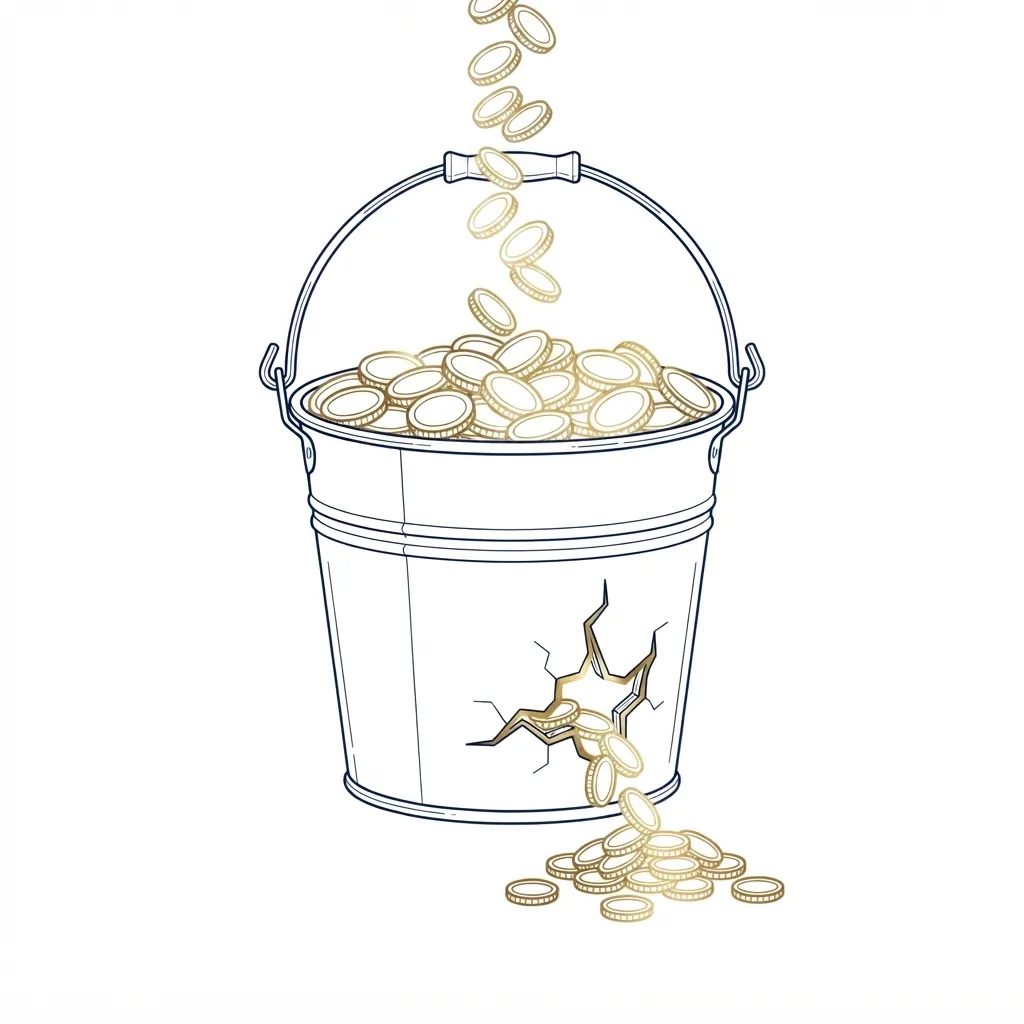
FIG. 02 — SEQUENCE OF RETURNS
The Volatility Setback
SIMPLE CONCEPT · Sequence-of-returns risk
20+ years of savings, one bad year.
While you're saving, a market drop is temporary — future contributions simply buy at a discount. The moment you begin drawing income, the math flips. A downturn at the wrong moment forces selling at the bottom, and a portfolio that falls 20% then needs a 25% gain just to break even. A single poorly timed year can erase decades of discipline.
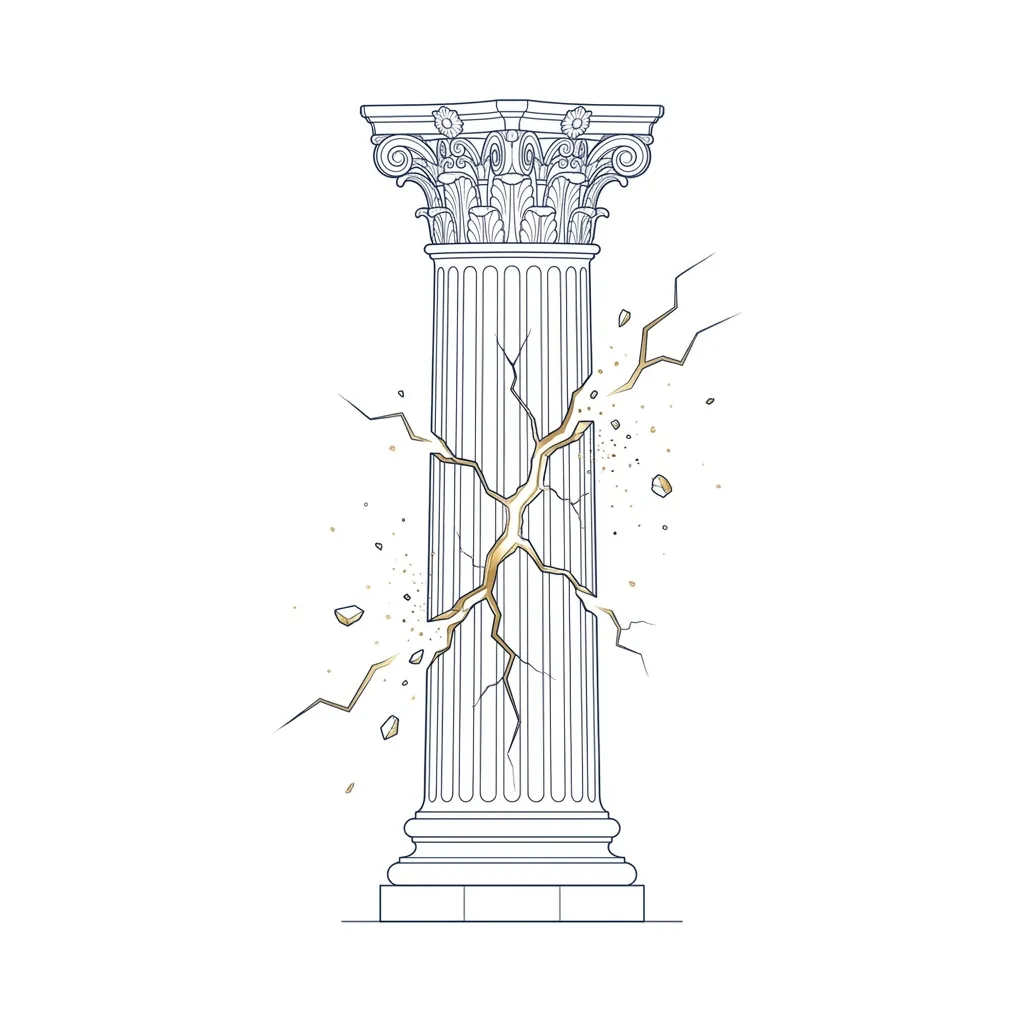
FIG. 03 — OVERPAYMENT OF TAXES
The Tax Drain
SIMPLE CONCEPT · Uncoordinated tax exposure
Tens of thousands, quietly lost each year.
Many treat taxation as a fixed April chore. In reality it's a dynamic environment, and the mechanisms that give relief while you're building can set a trap during distribution. Viewed in silos, ordinary-income withdrawals, forced distributions, and the taxation of Social Security can stack — surrendering wealth that should have funded your life instead.

FIG. 04 — ACCESS TO MONEY
The Liquidity Lock
SIMPLE CONCEPT · No access to funds when needed
The wealth is there; the access is blocked.
Freedom is measured two ways: how much you've accumulated, and how quickly you can deploy it. Most qualified accounts restrict access before age 59½, so a time-sensitive need — tuition, an opportunity, an emergency — can force a hard choice between passing it up or paying taxes and an early-withdrawal penalty to reach your own savings.
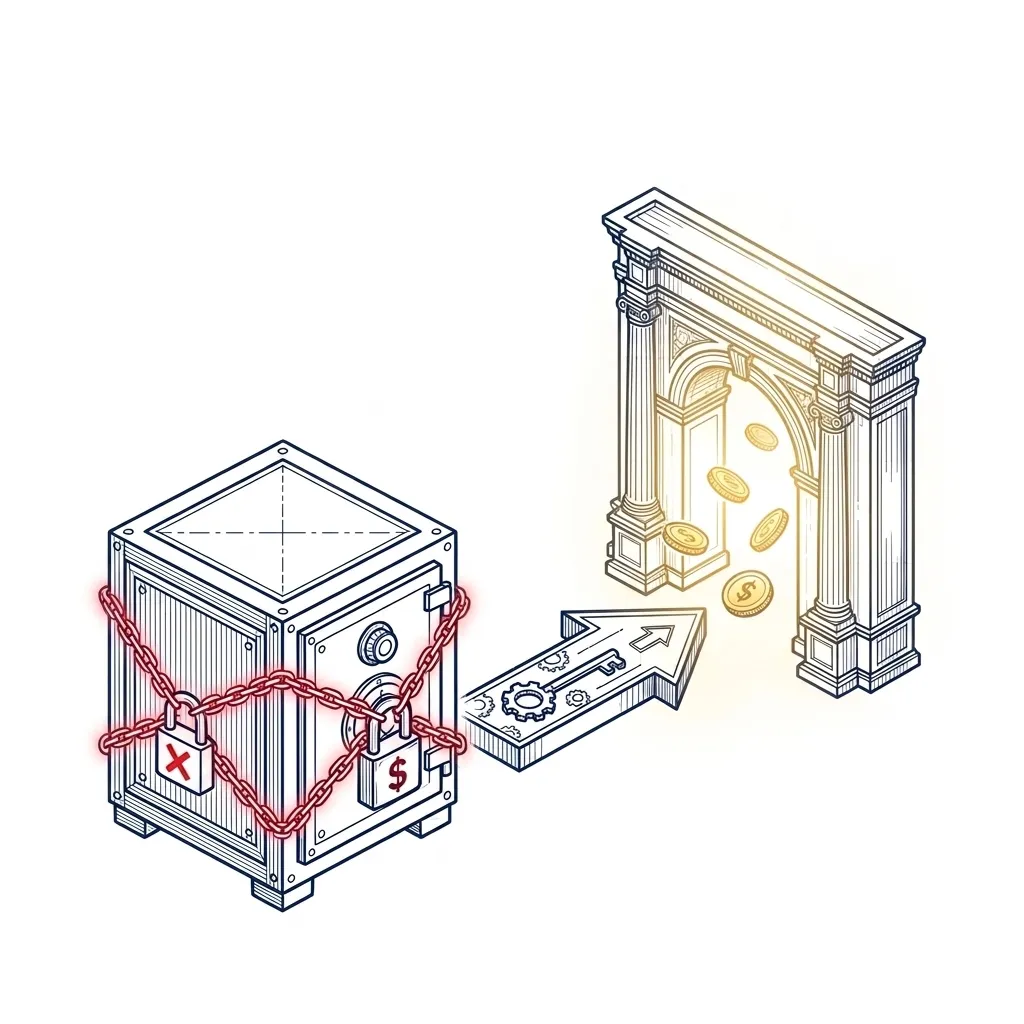
FIG. 05 — OUTLIVING ASSETS
The Longevity Paradox
SIMPLE CONCEPT · The fear of outliving your money
Outliving your capital — running out of runway.
A long, healthy life is the goal and the vulnerability. When a plan is built around a statistical life expectancy, living even a few years past the "target" can drain the runway completely — just as late-life care costs climb and there's no time left to recover. Averages are a poor foundation for a life that beats the odds.
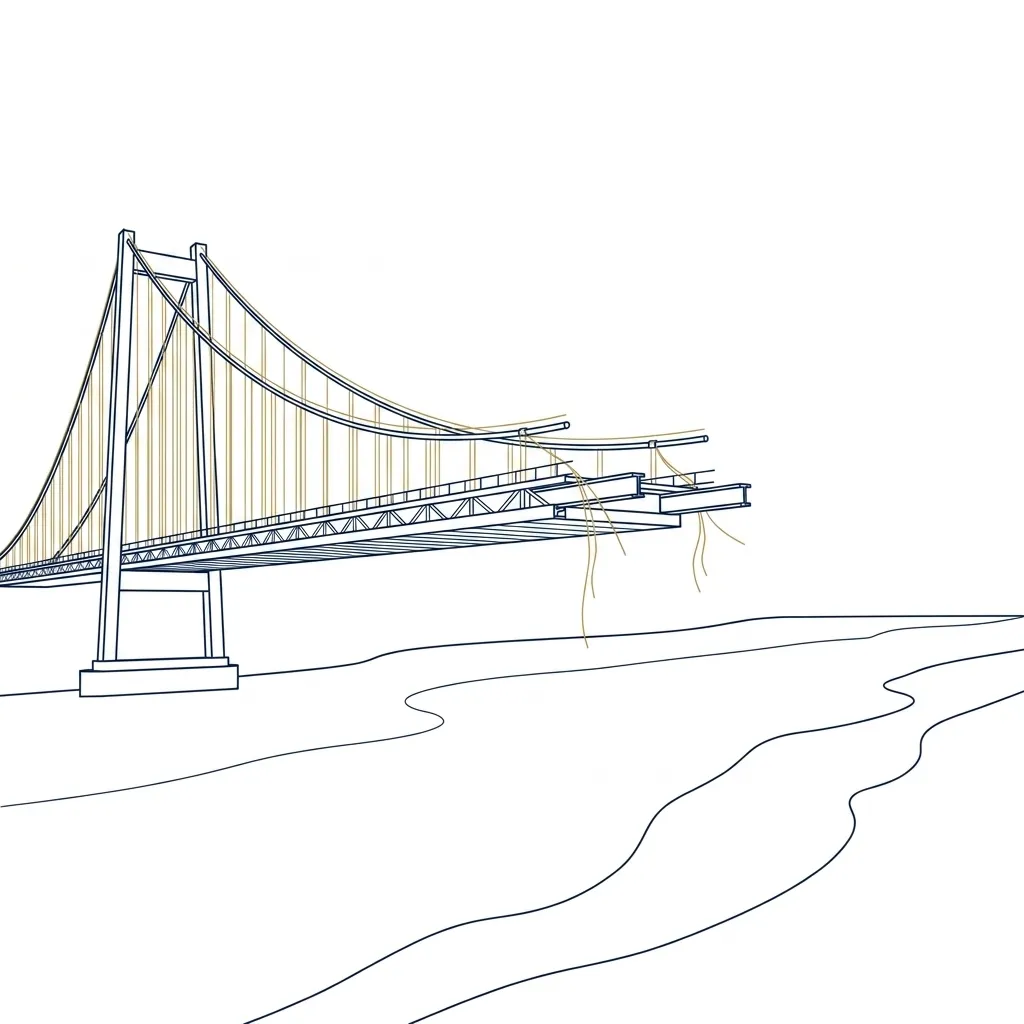
FIG. 06 — CARE COSTS
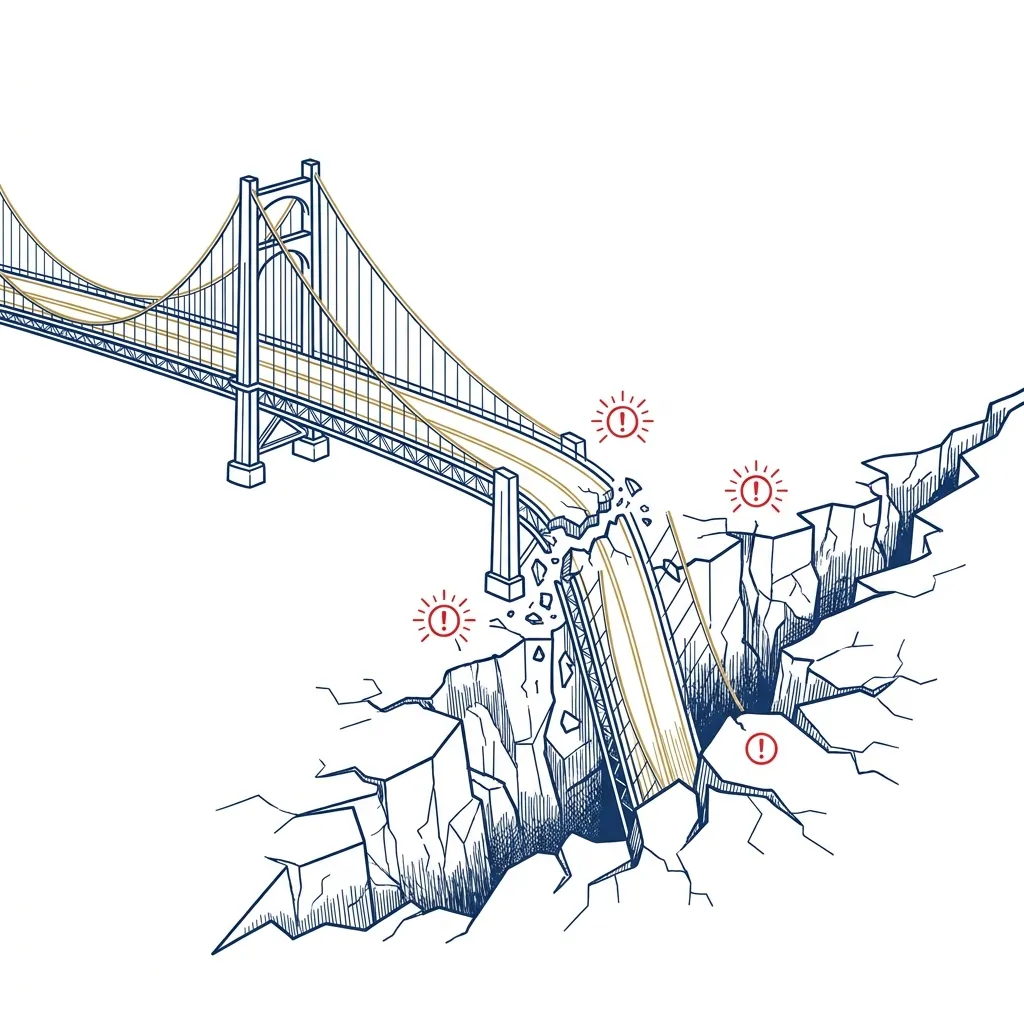
06. The Care Avalanche
SIMPLE CONCEPT · "It won't happen to me"
One health shock; decades of assets buried.
Long-term care rarely arrives in smooth increments — it hits as an acute shock that shatters a distribution plan. Roughly 70% of people who reach age 65 will need some form of long-term services and supports,2 and public safety nets require spending down assets first. Without a plan, one event can force a fire-sale at the worst possible time.
THE ANSWER
Every risk has a corresponding defense.
Used together, the three pillars aren't three products — they're one coordinated structure in which each identified risk is met by a specific answer.
Why Most High Earners Are Still Losing, Despite Working With Advisors
Most advisors are one-trick ponies. Insurance agents only sell insurance. Investment advisors only manage portfolios. CPAs only do taxes. Real estate brokers only sell properties. Nobody connects the dots. That's exactly why successful professionals earning $300K+ keep losing $75K–$150K annually to problems they didn't even know existed.
The Volatility Trap
Market crashes at the wrong time destroy 20+ years of savings. Your 401(k) isn't a retirement plan it's a gamble with your future.
The Tax Black Hole
Most advisors lack qualified tax professionals. High earners miss $30K–$50K in legitimate deductions annually. You're funding the IRS instead of your own wealth.
The Liquidity Crisis
Most retirement vehicles lock your money exactly when you need it for college, opportunities, or emergencies. What good is wealth you can't access?
The Inflation Erosion
Traditional planning assumes 3–4% returns when inflation demands 7–8% just to maintain purchasing power. You're going backwards while thinking you're ahead.
We're the only firm that solves all four problems simultaneously.

Seven Figure Solution
Never go backwards financially.
HavenBridge Group
— Where High Earners Finally Stop Losing. · © 2026
The information on this website is for educational purposes only and is not intended as tax, legal, or investment advice. Case studies and figures reflect individual client experiences; results are not guaranteed.

Seven Figure Solution
Never go backwards financially.
© 2026 HavenBridge Group. All rights reserved.
Important disclosures. HavenBridge Group is a licensed insurance agency. "The Seven Figure Solution" is the educational methodology our Wealth Architects apply — it is not the name of the firm. Our Wealth Architects hold life insurance licenses and, where noted, additional licenses; they are not, by virtue of that license, investment advisers. Nothing on this site is investment, tax, or legal advice, and no content should be relied upon as such. Please consult your CPA, attorney, or registered investment adviser for advice specific to your situation.
All examples, figures, and scenarios shown are hypothetical and illustrative, do not reflect any actual client's experience, and are not a promise or projection of future results. Life insurance and annuities are insurance products — not investments, securities, deposits, or bank savings accounts.
Guarantees, including any "0% floor" and lifetime-income features, apply to Fixed Indexed Annuities (FIAs) and Indexed Universal Life (IUL) insurance and are subject to the claims-paying ability of the issuing insurer. The 0% floor applies to index-linked crediting only and does not prevent a policy's value from declining due to fees, charges, or loans. Policy loans and withdrawals reduce cash value and the death benefit; a policy that lapses or is surrendered with a loan outstanding may create a taxable event. Caps and participation rates are set by the carrier and may change. A living benefit rider accelerates a policy's own death benefit for qualifying conditions and is not a substitute for disability income insurance. Product availability, features, and definitions vary by carrier and state. HavenBridge Group places business only with carriers rated A.M. Best A or higher.
1 References to "Never Go Backwards" reflect the use of FIAs and IULs; all guarantees are subject to the claims-paying ability of the issuing insurer.
2 Long-term care statistic: U.S. Department of Health & Human Services (ASPE), 2019. Disability likelihood figures referenced elsewhere: U.S. Social Security Administration.
Educational content · Not tax or legal advice · Insurance & annuity products only